Sometimes a fabrication project starts with a customer drawing or a broken part.
Other times, it starts with buying something that should make life easier—then realizing there’s nowhere to put it.
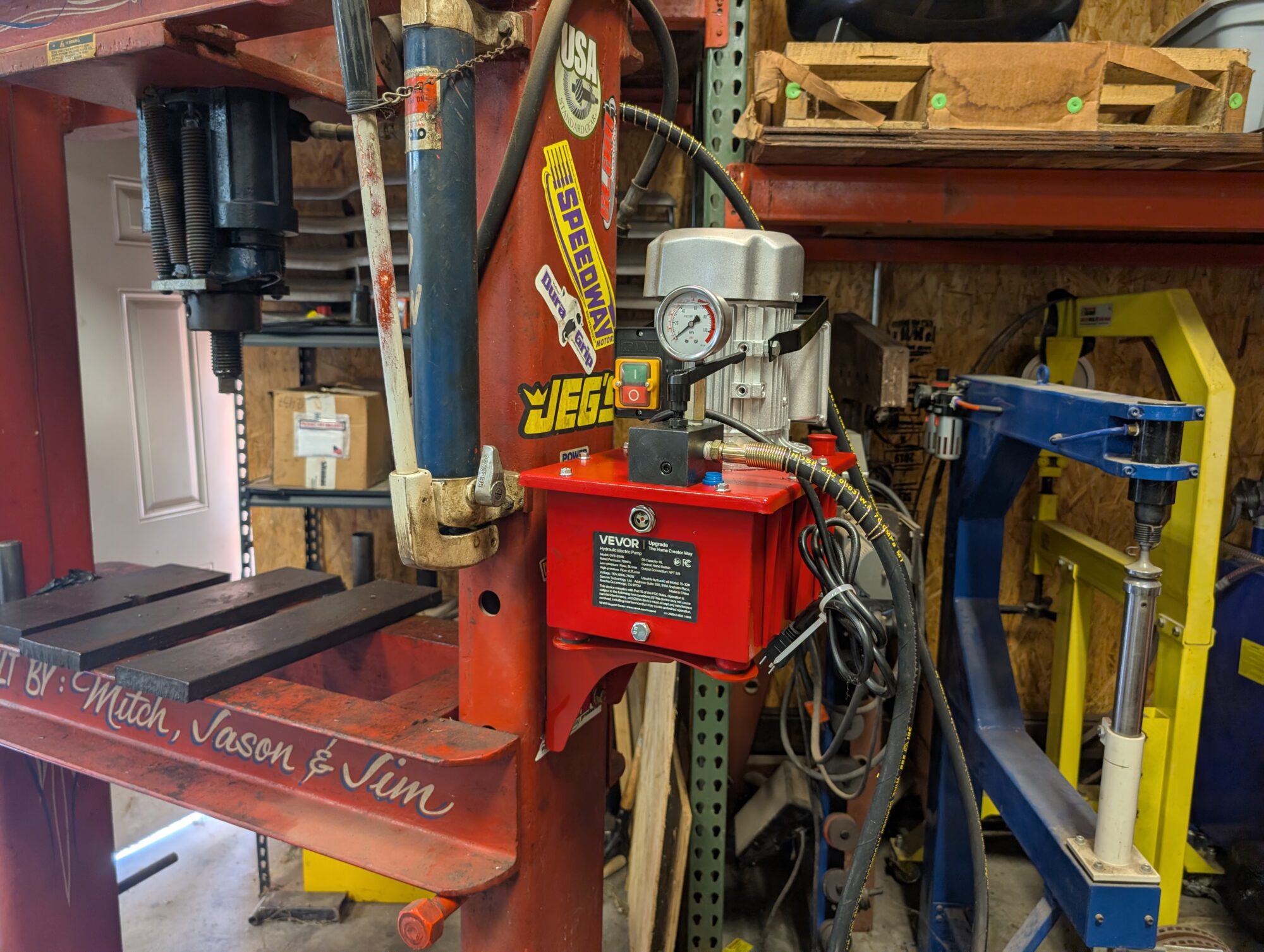
That was the case with the new electric hydraulic pump for my shop press.
The pump itself solved one problem. Instead of relying on the existing manual hydraulic setup, I now had an electric hydraulic power unit that could make the press much more convenient to use.
The next question was simple:
Where do I mount it?
Starting With the Press
This is an older shop press, and it obviously wasn’t designed with this particular hydraulic power unit in mind. I could have built a basic shelf, drilled some holes, and made something work.
But “make it work” and make it look like it belongs there are two different things.
I wanted the pump mounted directly to the press where the controls and pressure gauge would be easy to reach and see. It also needed to be rigid enough to support the weight of the hydraulic unit without hanging a big, awkward shelf off the side of the machine.
So instead of adapting an off-the-shelf bracket, I designed one specifically for the press and the pump.
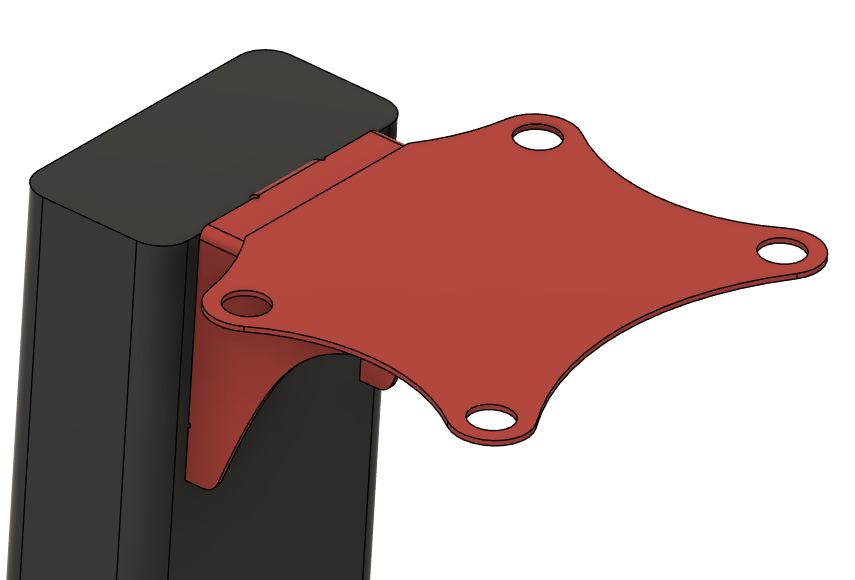
The bracket was modeled around the existing press and the mounting pattern of the hydraulic power unit before any steel was cut.
Turning the Design Into Steel
The finished mount is actually made from several pieces.
The upper plate matches the mounting footprint of the hydraulic unit, while the fabricated lower structure transfers that load back into the press. The curved side profile wasn’t just about appearance—it allowed the bracket to provide support without becoming a big rectangular box hanging off the machine.
Once the individual pieces were cut and formed, I could start fitting everything together.
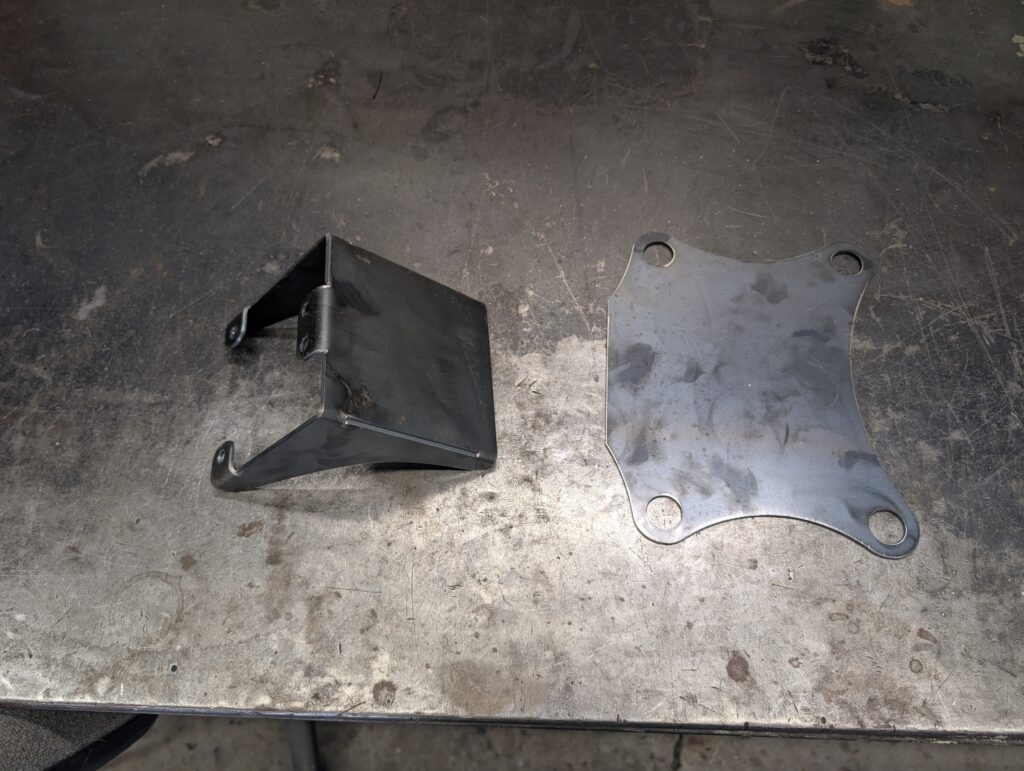
The fabricated support and upper mounting plate before final assembly.
This is one of the parts of custom fabrication I enjoy most. A design that existed on a computer screen a short time earlier starts turning into something you can actually hold in your hands.
Welding It Together
With the pieces fitted and positioned, the upper plate was welded to the supporting structure.
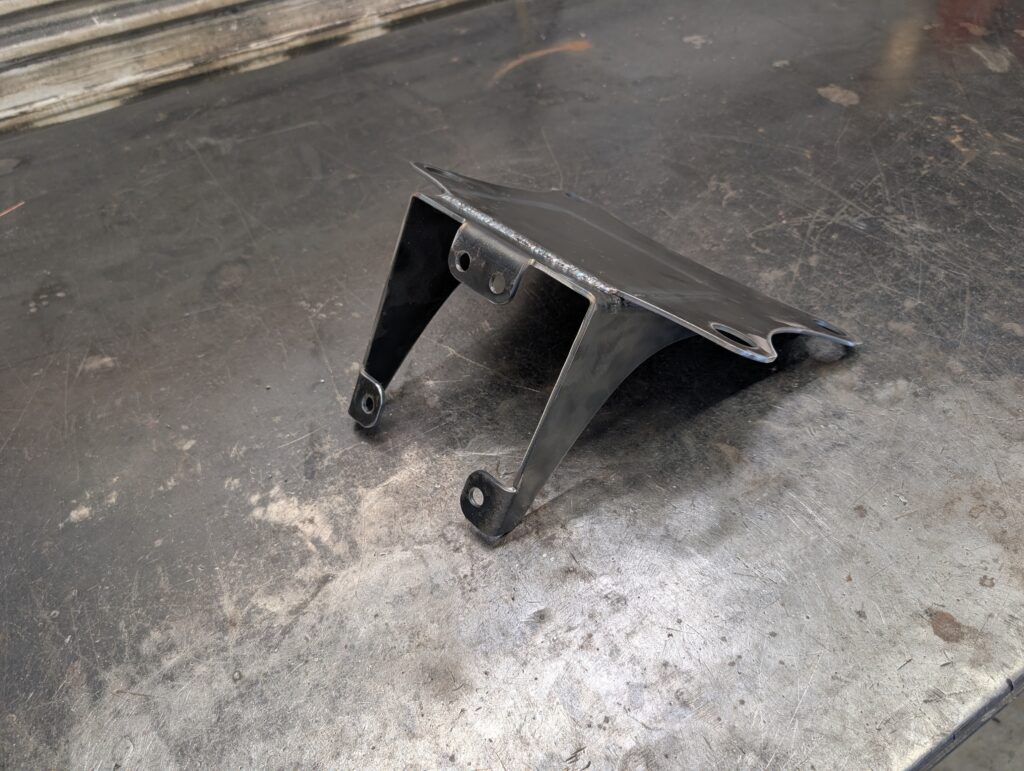
The joint needed to do more than simply hold the pieces together. This bracket carries the weight of the pump cantilevered away from the press, so the support structure and welds are doing real work.
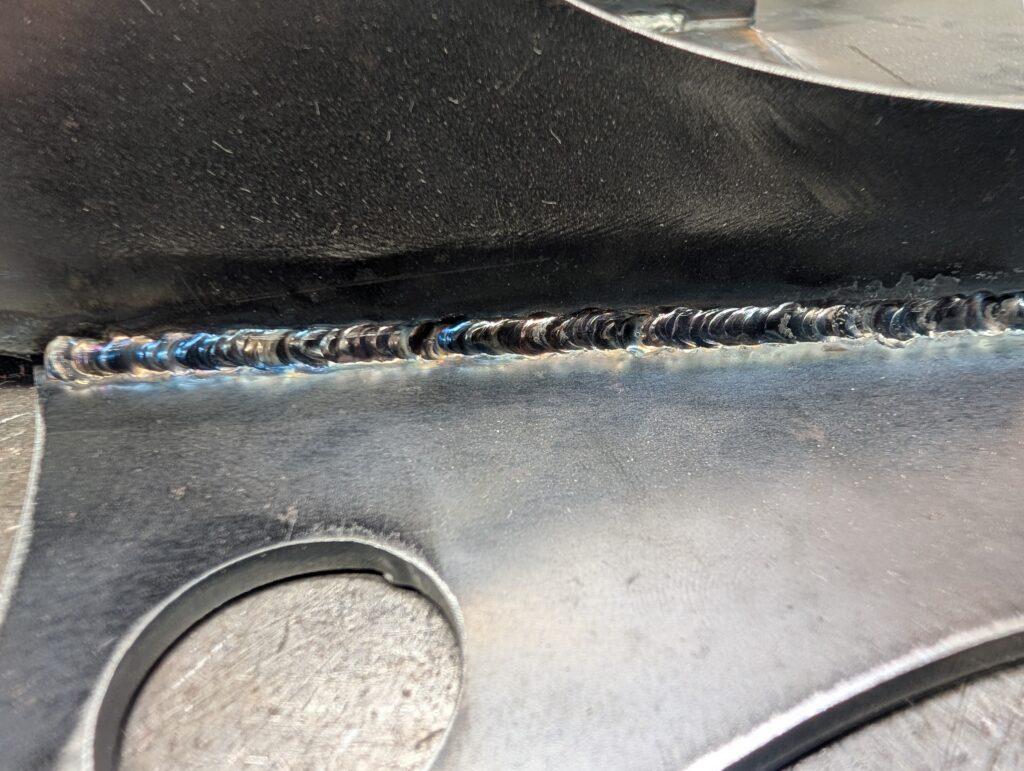
Final weld joining the mounting plate to the fabricated support.
Once everything was welded, I test-fit the bracket to make sure the mounting points lined up and that the pump would sit where I wanted it.
Making It Look Like It Belongs There
Function comes first, but that doesn’t mean a fabricated part has to look like an afterthought.
After fabrication and test fitting, the bracket was cleaned, prepped and painted red to match the press.
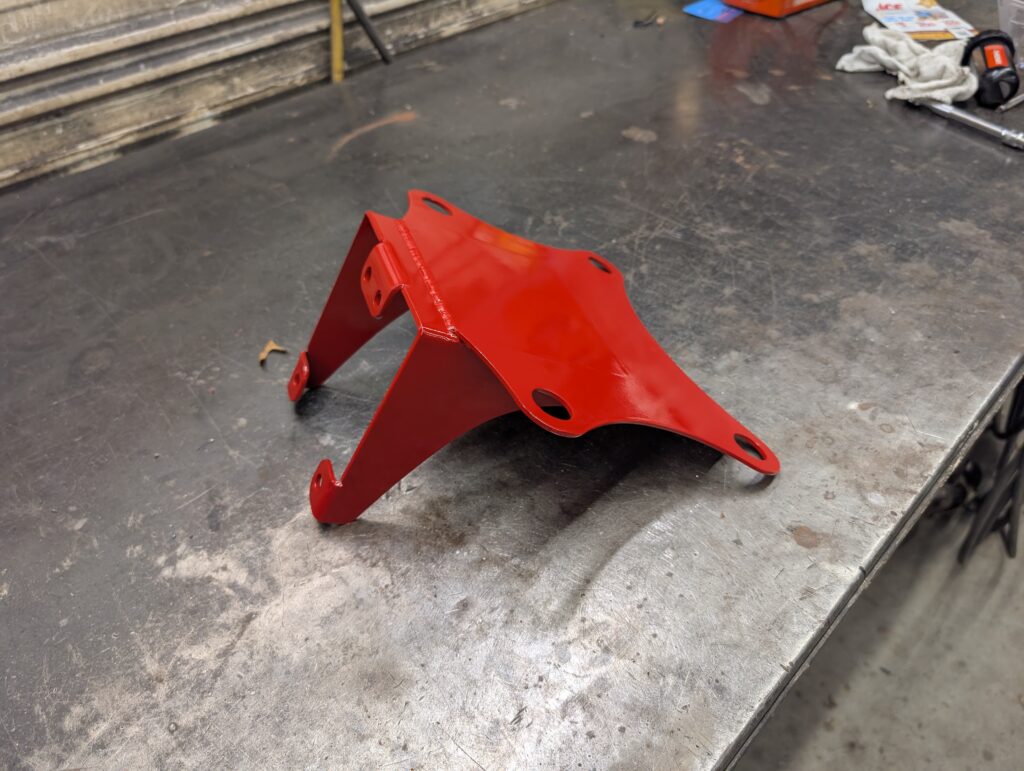
That completely changed the appearance of the part.
Instead of looking like a piece of steel added onto the machine, it started looking like something that could have been part of the press from the beginning.
Installation
With the paint finished, the bracket was bolted onto the press.
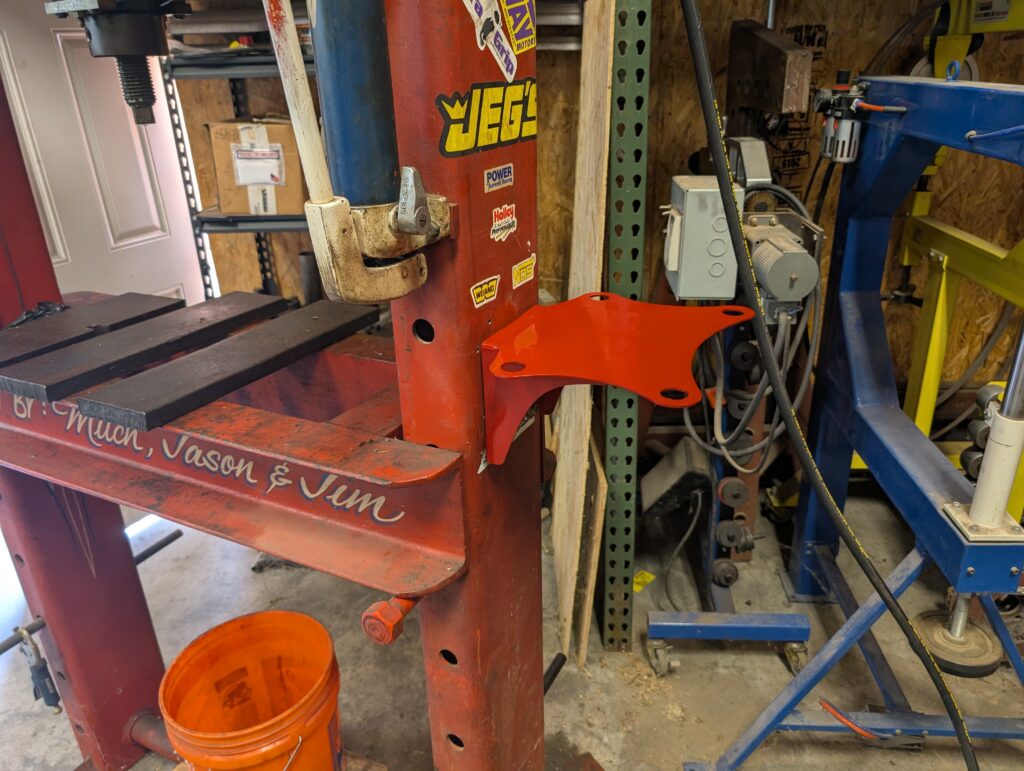
The location puts the hydraulic unit right beside the work area while keeping it out of the way of the press itself.
Then came the part that makes all the designing, cutting, fitting and welding worthwhile.
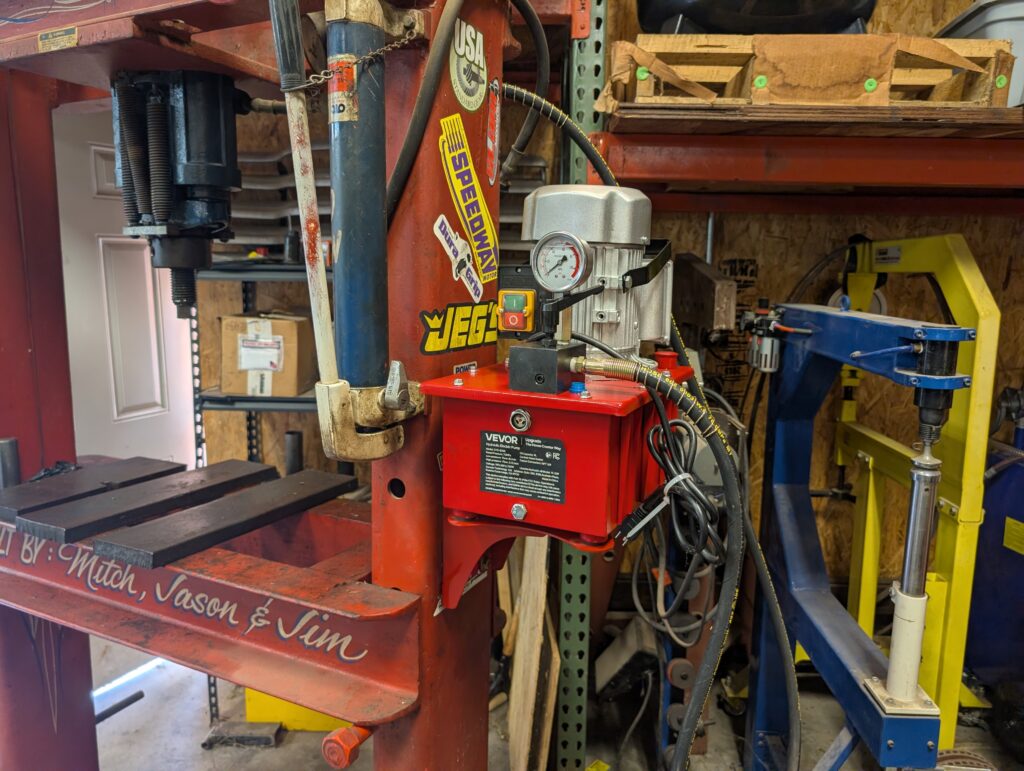
The pump dropped onto the four mounting points, the controls remained accessible, the pressure gauge stayed easy to see, and the entire assembly became a compact part of the press rather than something sitting on a cart or shelf nearby.
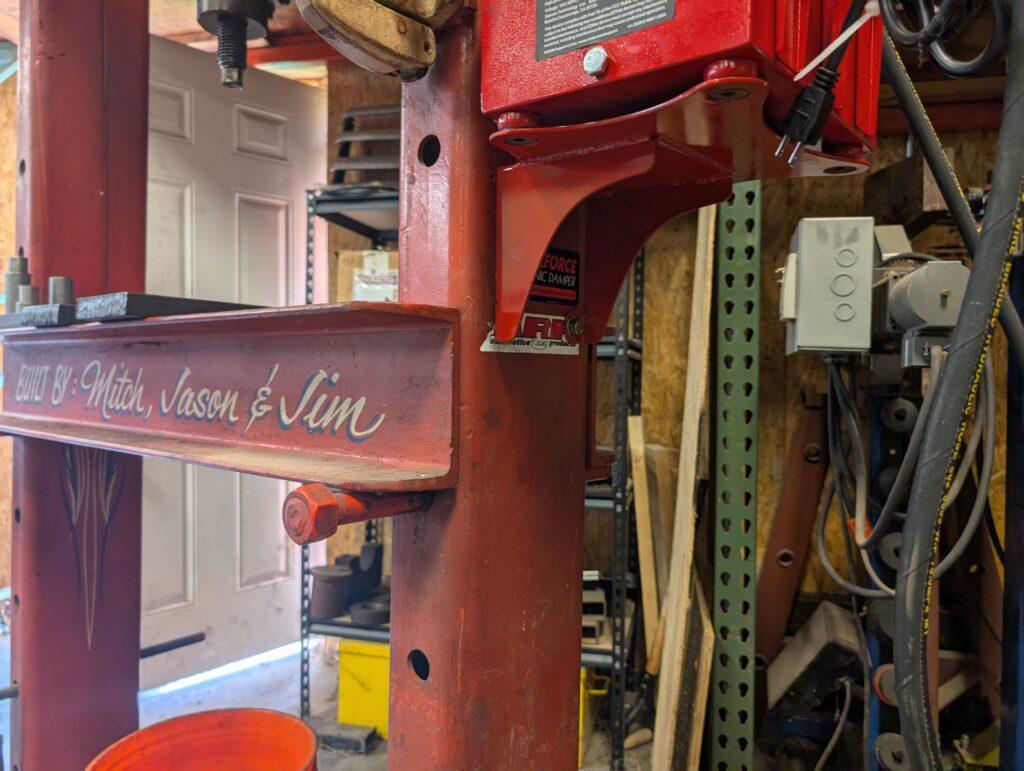
From underneath, you can see how the fabricated supports carry the pump back into the press while keeping the area underneath open.
The Kind of Work We Like
This was a relatively small project, but it’s a good example of what custom fabrication is really about.
The problem wasn’t finding a hydraulic pump.
The problem was figuring out how to integrate a modern hydraulic unit into a machine that was never designed for it—and doing it in a way that was strong, compact and looked right when it was finished.
That’s where having design, cutting, forming and welding capabilities in the same shop becomes useful.
Sometimes the part you need simply doesn’t exist.
So you make it.
Pottsies Fab
Custom Fabrication • CNC Plasma Cutting • CNC Machining • TIG/MIG Welding • Design & Prototyping
Charlestown, Indiana